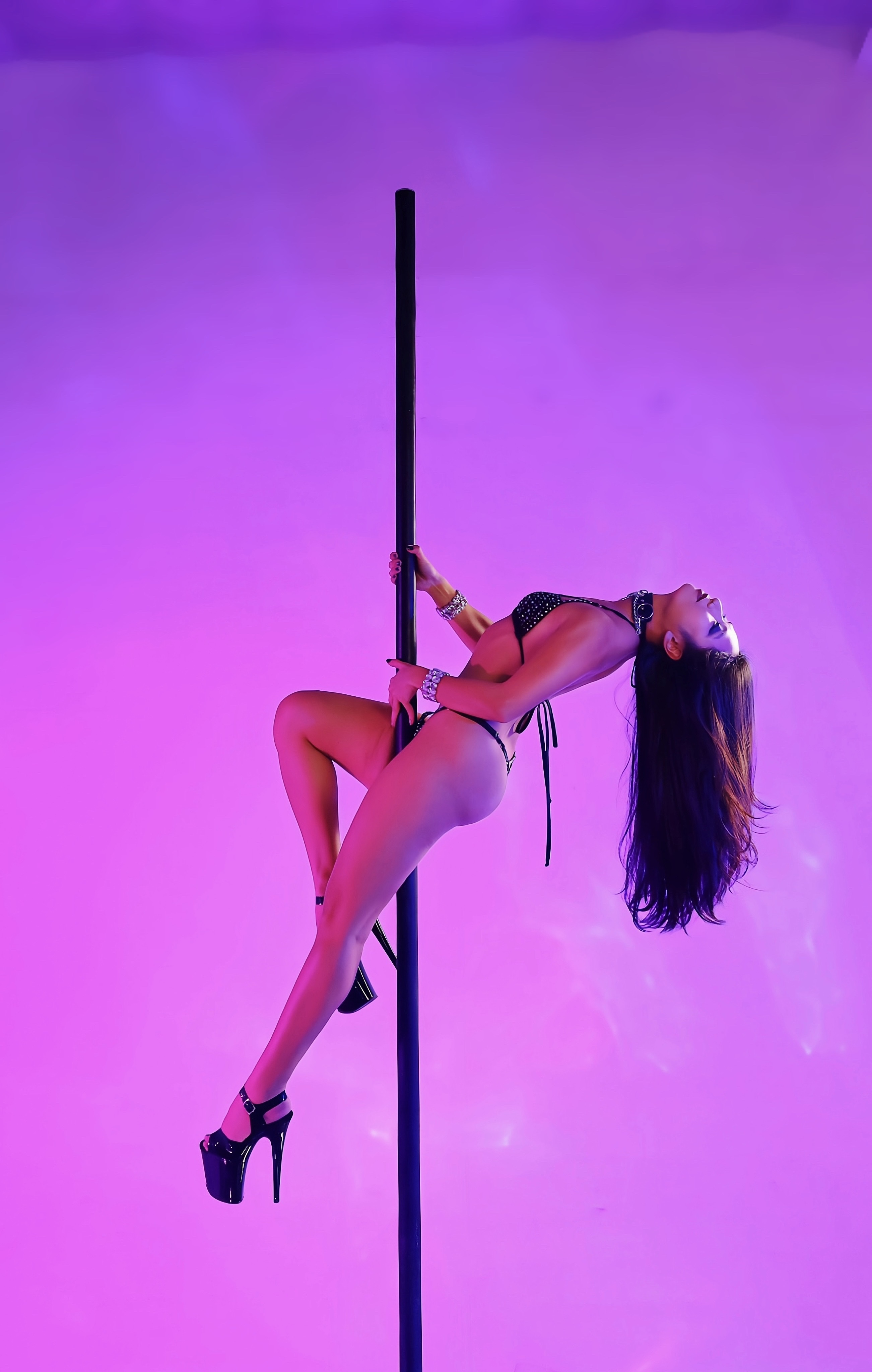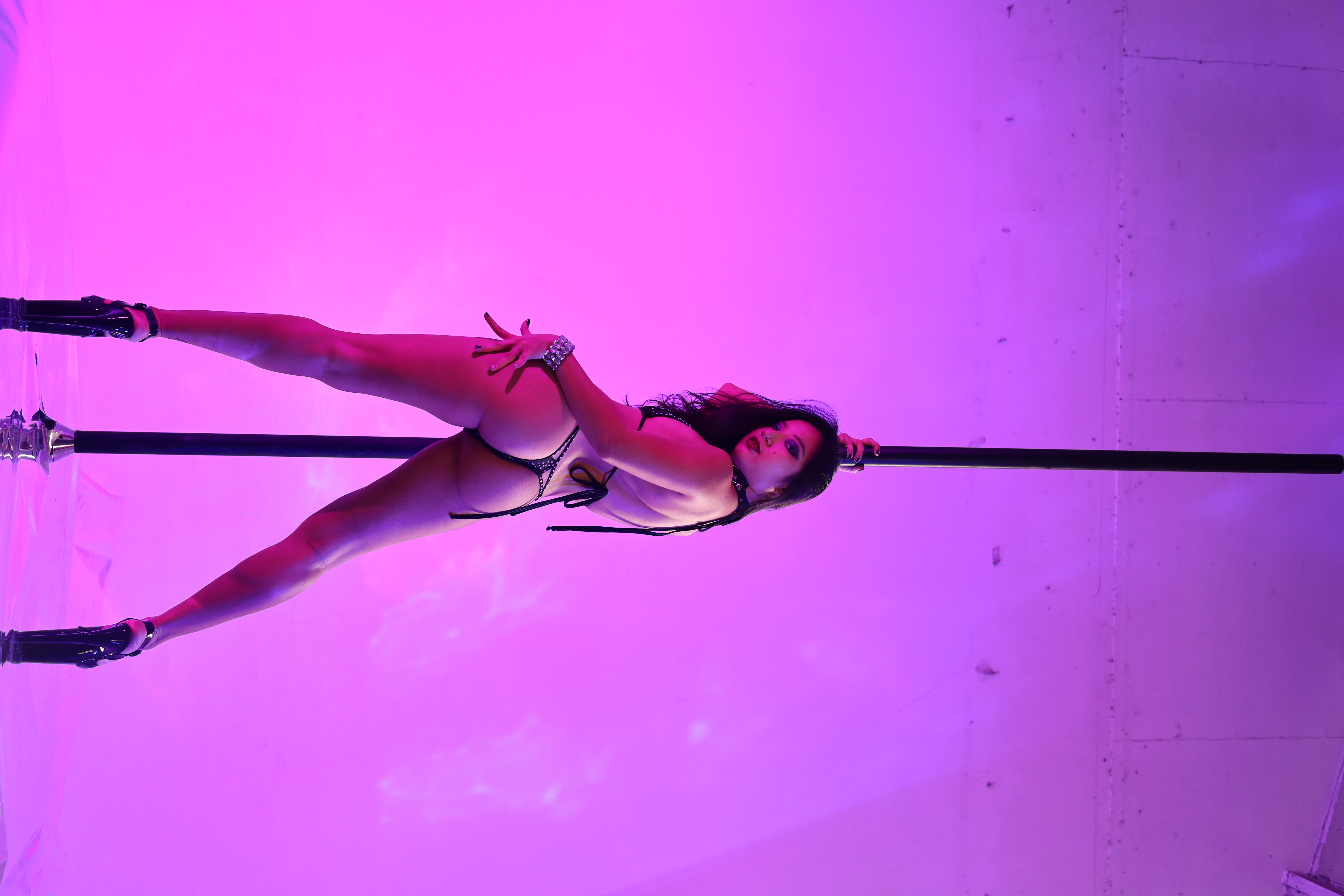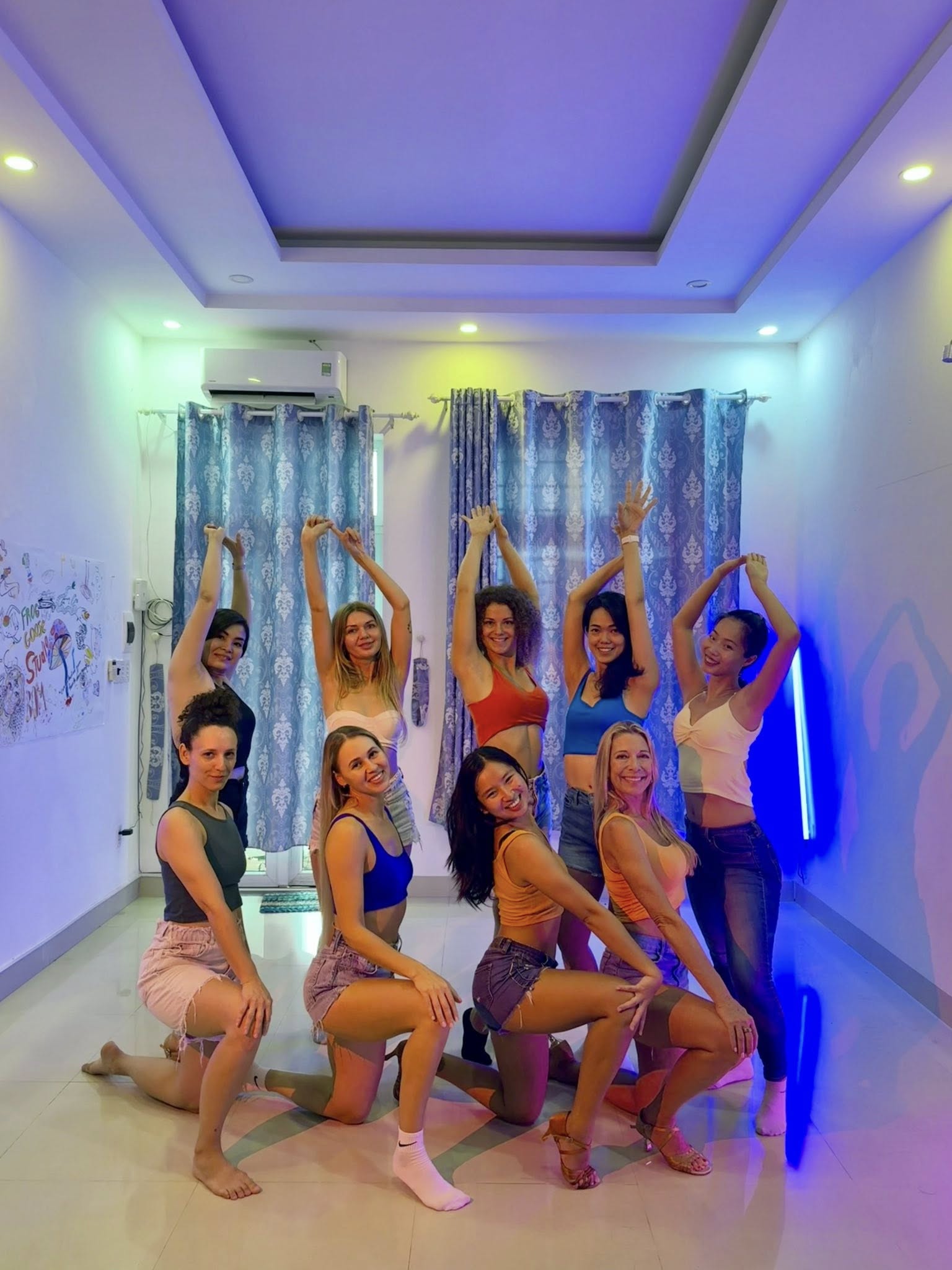
In the previous article, I shared why fun is such an important part of learning, especially for adults. After years of learning many dance styles and teaching students from different backgrounds, I've realised that fun isn't a bonus when I’m in a good mood or when the class happens to have good vibes. It can actually be intentionally integrated.
Of course, I can't force someone to have fun. Every student has different personalities, goals, and ways of learning. But as a teacher, I can intentionally create an environment where fun is much more likely to happen.
Here's what that looks like in my classes.
1. Creating a safe space, physically and emotionally
I often think about how I learned on the playground as a kid. We played on soft surfaces like sand or grass so we could run and jump around as wildly as we wanted. There were no scary consequences if we messed up or lacked certain skills. Safety enabled us to let down our guard and be playful.
In my classes, I always prioritise creating a safe space for students. Physical safety means checking for injuries before class, asking about previous dance experience, respecting personal boundaries, asking before touching someone's body to give corrections, and always offering different variations of the same movement. (And of course, ensuring the studio space is safe and spacious enough for the number of people in the class.)
Emotional safety means students are allowed to make mistakes, to say no, to stop whenever they want, to ask any questions without being laughed at, and to have good days and bad days. I make sure they know that all emotions are welcome and that it’s safe to express them.
On a few occasions, some students have become frustrated with themselves and burst into tears. I would pause to check if they needed anything, suggest taking a break, and let them know it’s completely normal to feel what they are feeling, while maintaining a neutral attitude. I don’t panic, I don’t coddle, and I don’t ignore them. I simply make space for their emotions and then move on. This really helps students feel safe, relaxed, and eventually able to have fun.
2. Being intentional about my language
Instead of saying, "You should..." or "That's wrong" or "That looks ugly," I use phrases like, "Let's explore this." "Try this and see how it feels." "What do you notice in your body?"
When I need to correct something, I explain why it matters and how it affects the result. I try to avoid implying that there is only one perfect way of dancing. (This might be my inner rebel, since I grew up in a very strict Asian education system where there was only right or wrong.)
These tiny changes completely shift the atmosphere. Instead of constantly striving for the "correct" answer like it's some kind of exam, students become curious about their own bodies. Instead of dancing for my approval, they start dancing for themselves.
I don't want students to become dependent on my validation. I want them to gradually develop enough body awareness to give themselves feedback. In the end, it feels less like a serious classroom and more like a space for exploration.
3. I don't take myself too seriously
I like to make fun of myself whenever I forget my own choreography, mix up left and right, or make silly mistakes. I don't want to pretend to know everything or never make mistakes. I believe students feel more comfortable learning when they see that I'm learning too.
When mistakes are normalised and taken lightly, the pressure disappears. Everyone realises we're just humans trying to move our bodies together.
To me, dance is supposed to be fun, especially for hobbyist learners! There's no rush to become a great dancer as quickly as possible. It's okay to take things slowly. Adult learners already carry enough pressure and responsibility. Dance doesn't have to become another place where people feel like they're striving for perfection.
One of my favourite memories is my Bachata Christmas project, where we filmed in a beautiful studio and performed together at my end-of-year show. Most of my students were first-time dancers and very anxious. One student even wrote down the choreography step by step and practised extensively at home. I laughed and thanked her when she helped me after I forgot my own steps.
In the end, we all bonded deeply and had so much fun! Some of them became close friends after the project, and they're still talking about it two years later.
I don't expect people to remember everything I teach. I certainly don't remember every exercise my own teachers gave me. But I remember how they made me feel. I remember the teachers who made me feel safe enough to be completely clumsy at something new. I remember the teachers who laughed with me. The ones who encouraged curiosity instead of perfection. The ones who reminded me that dancing could simply be fun.
That's the kind of teacher I hope to become. Not the one with the fanciest choreography or the most impressive tricks (let's be honest, there are so many great dance teachers out there). I want to be someone who creates a space where adults can play and have fun.
Because somewhere along the way, many of us forgot that learning and joy can exist in the same room.